
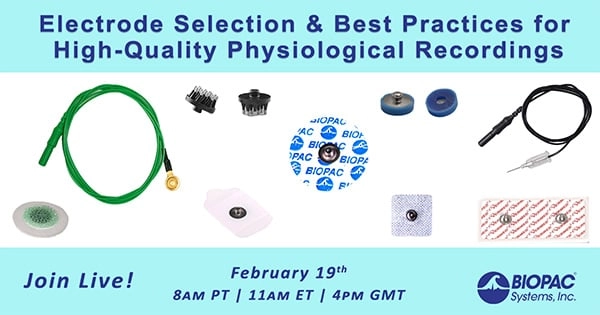
High-quality physiological data begins with proper electrode selection and correct application techniques. Even advanced recording systems cannot compensate for poor preparation or unsuitable electrode choices. This professional training session provides researchers, clinicians, and technicians with a scientifically grounded framework for optimizing subject preparation and electrode setup across common physiological measurements.
Based on established guidance from leading physiological instrumentation practices, this session reviews electrode technologies used in human research, including disposable and reusable electrodes, wet and dry electrodes, surface sensors, and specialized recording solutions. Participants will gain practical insight into how electrode type, placement, and skin preparation directly affect signal quality, impedance levels, and recording repeatability.
The training focuses on widely used physiological signals including electrocardiography (ECG), electroencephalography (EEG), electromyography (EMG), electrooculography (EOG), and electrodermal activity (EDA/GSR) and demonstrates how proper preparation and placement techniques can significantly improve signal fidelity while reducing artifacts and data loss.
Topics covered include:
Whether developing a new experimental protocol or refining an existing workflow, this session equips participants with practical methods to enhance physiological recording quality, reduce setup variability, and achieve more reliable research outcomes across studies.
