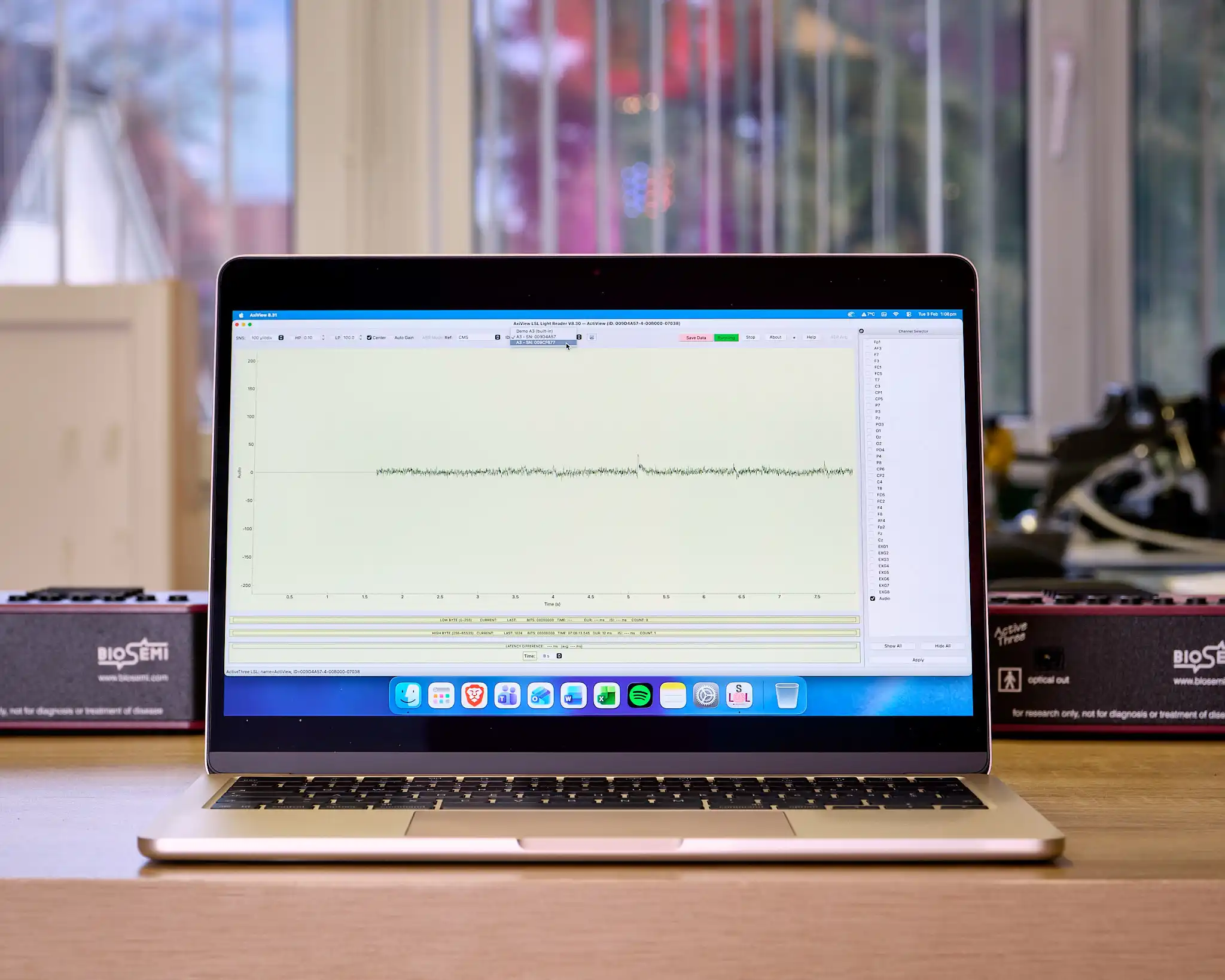
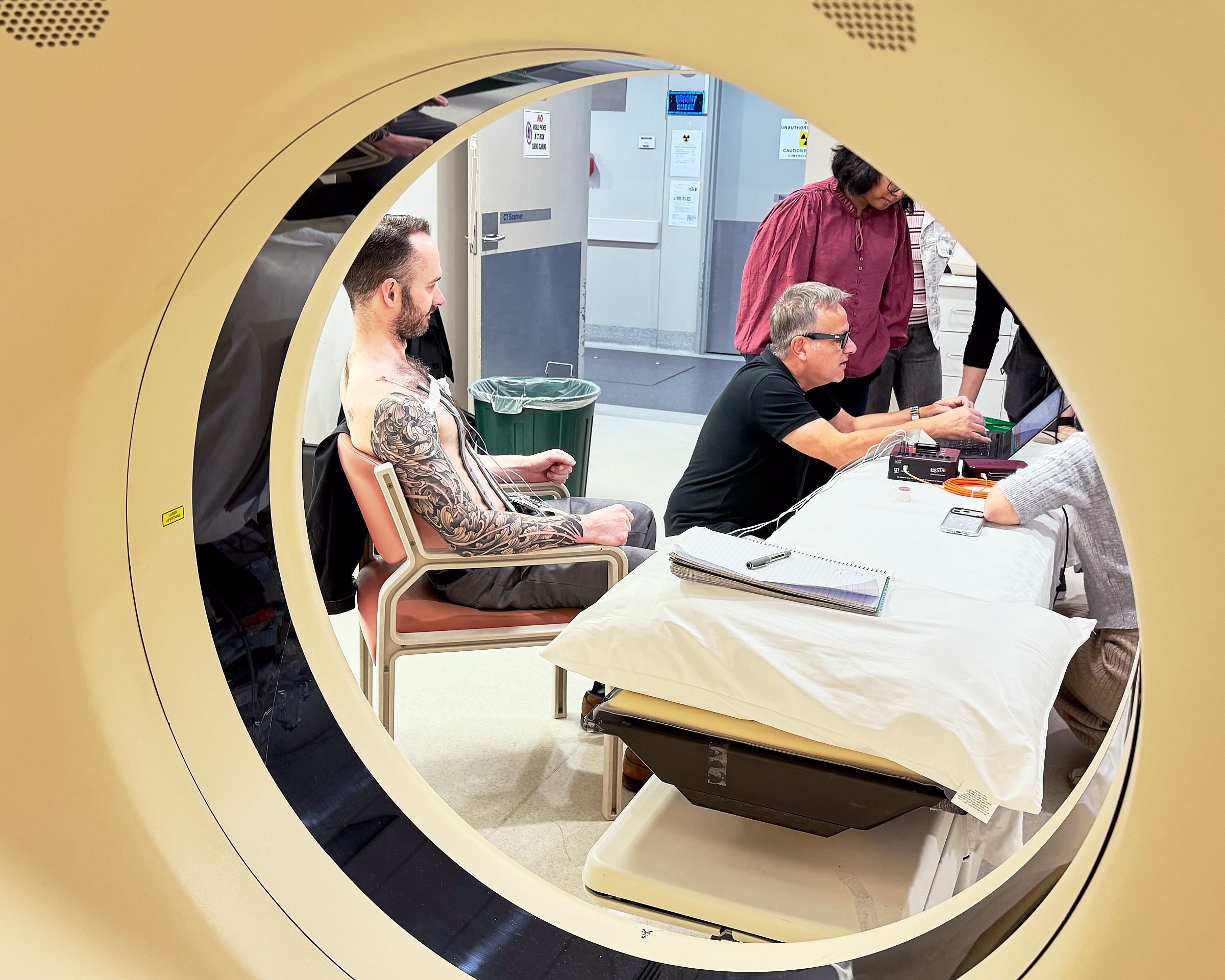
The Image X Institute at the University of Sydney has installed the world’s first BioSemi ActiveThree system configured for body surface potential mapping (BSPM) and the first dedicated BSPM research system of its kind in Australia. Supplied and installed by NEUROSPEC, the platform will acquire high-density cardiac electrical recordings to support the non-invasive definition of arrhythmia targets for stereotactic arrhythmia radioablation (STAR), a specialised application of stereotactic radiation therapy for cardiac arrhythmias. In preparation for this installation, our team also began development of CardioBDF Studio, a dedicated BDF analysis platform that is now growing into a broader software suite.
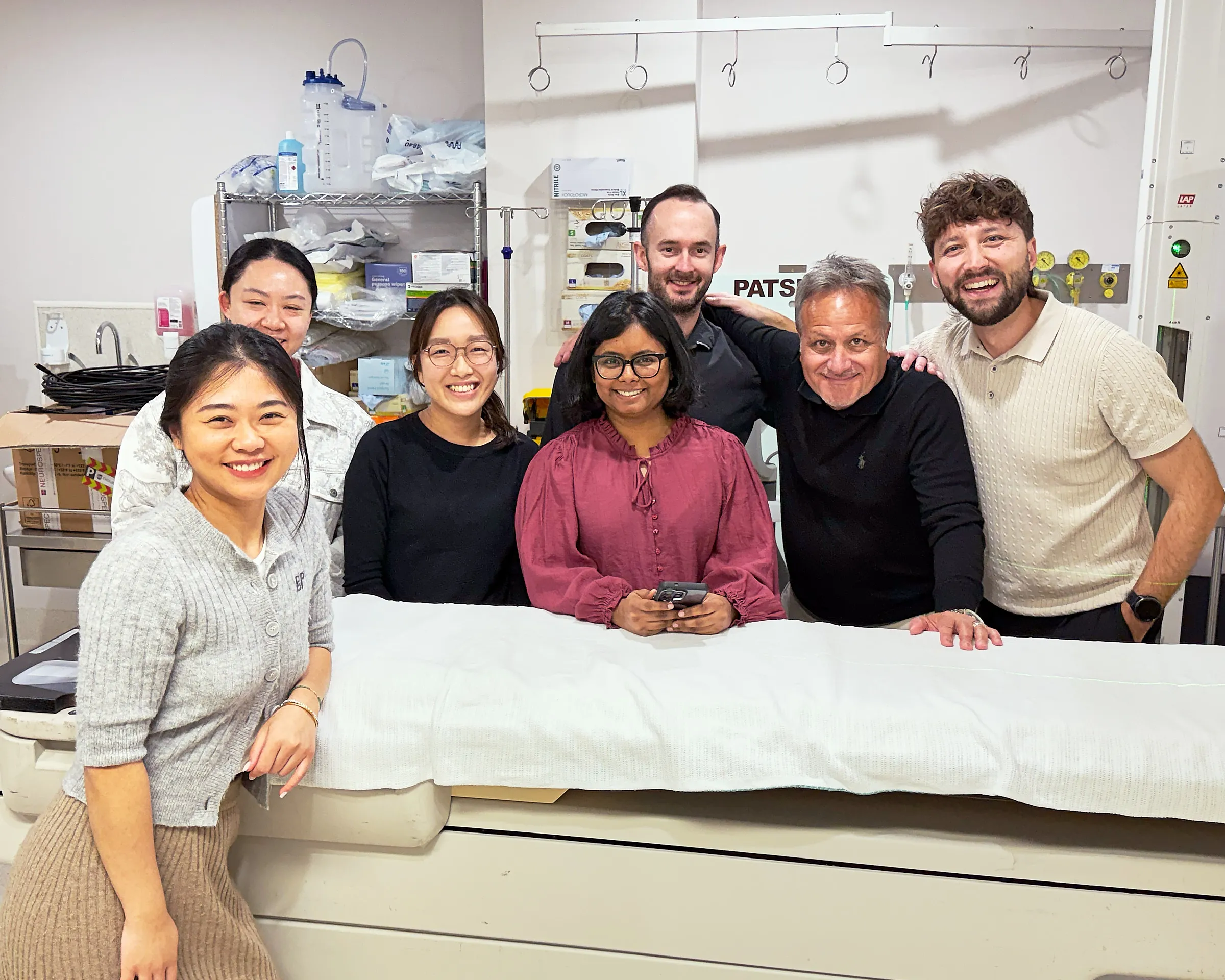
The research is led by Dr Chandrima Sengupta, a Cancer Institute NSW Research Fellow specialising in real-time image-guided radiotherapy, motion management and the clinical translation of advanced radiotherapy technologies.
Stereotactic arrhythmia radioablation, also known as cardiac radioablation, is a specialised form of radiation therapy. Instead of targeting a tumour, STAR delivers precisely focused radiation to cardiac tissue associated with an abnormal heart rhythm. It is being investigated particularly for patients with refractory ventricular arrhythmias who may have limited conventional treatment options.
One of the central challenges in STAR is defining the correct treatment target. Unlike a solid tumour, an arrhythmogenic target is determined primarily by abnormal electrical activity and its relationship to the patient’s cardiac anatomy. Target definition can therefore require information from several sources, including electrocardiography, electrocardiographic imaging (ECGI), anatomical cardiac imaging and electrophysiological mapping.
Body surface potential mapping extends conventional electrocardiography by recording electrical potentials from many locations across the torso. The resulting high-density dataset provides a spatially detailed representation of cardiac electrical activity. Combined with appropriate computational methods and anatomical imaging, these measurements can contribute to the non-invasive localisation and definition of arrhythmogenic regions.
The Image X team plans to use the ActiveThree BSPM system specifically to support research into defining arrhythmia targets non-invasively for STAR.
Reliable BSPM research requires simultaneous, high-resolution acquisition across a large number of torso electrodes. Cardiac signals must be recorded with sufficient temporal, amplitude and waveform fidelity to preserve the spatial patterns used in subsequent mapping and computational analysis.
Because the electrical recordings may be integrated with CT-derived anatomical information, the electrode system must also minimise X-ray visibility and imaging artefacts. The acquisition electronics must continue to preserve ECG waveform morphology in an electrically demanding imaging environment.
NEUROSPEC supplied a BioSemi ActiveThree configured for high-density BSPM research. Four technical characteristics were particularly relevant to this application.
1. Large Dynamic Range Across Different Biosignal Amplitudes
ActiveThree combines a ±200 mV input range (400 mV peak-to-peak) with a quantisation resolution of 31.25 nV. This large dynamic range allows the same acquisition architecture to record comparatively small signals such as EEG and substantially larger ECG signals without saturating the input stage or requiring application-specific amplification.
This amplitude range is complemented by a DC–5.4 kHz signal bandwidth. Dynamic range describes the span of measurable signal amplitudes, while bandwidth describes the frequency range that can be recorded; together, they make ActiveThree suitable for a broad range of electrophysiological signals.
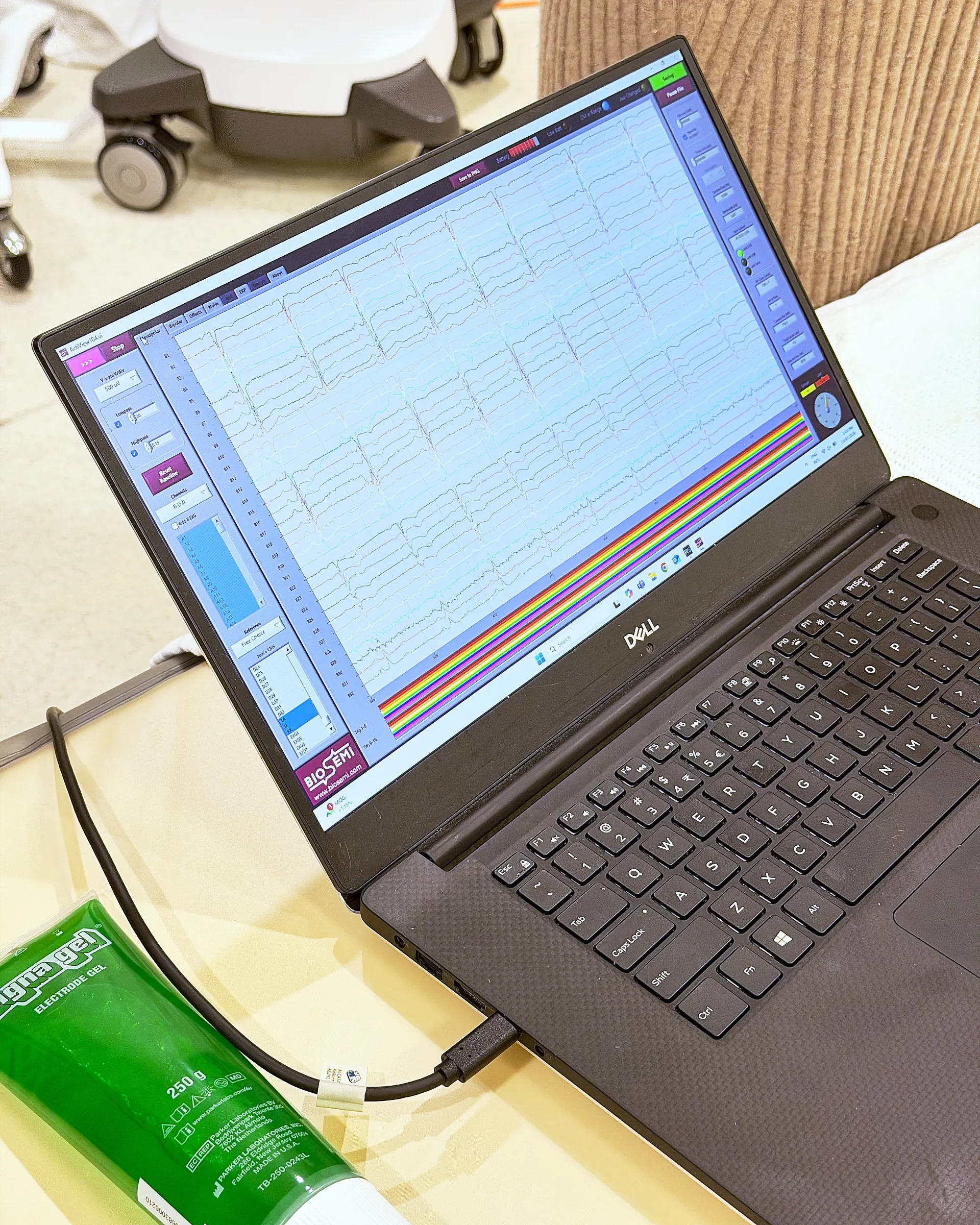
2. Clean, Low-Noise 24-Bit SAR Conversion
Each ActiveThree channel uses an individual, synchronously sampled 24-bit successive-approximation-register (SAR) converter. According to BioSemi’s published specifications, the system has a full-bandwidth input noise of 2.8 µV RMS and a noise spectrum free from spikes attributable to spurious ADC tones.
Modern SAR technology provides low noise and high resolution without relying on the noise-shaping architecture used by sigma-delta converters. This produces a clean frequency spectrum, reducing the risk that converter-generated tones could be mistaken for physiological signal components during spectral or computational analysis.
Initial on-location tests during active CT acquisition also indicated minimal interference with the recorded ECG signals.
3. Radiolucent Carbon BSPM Electrode Sets
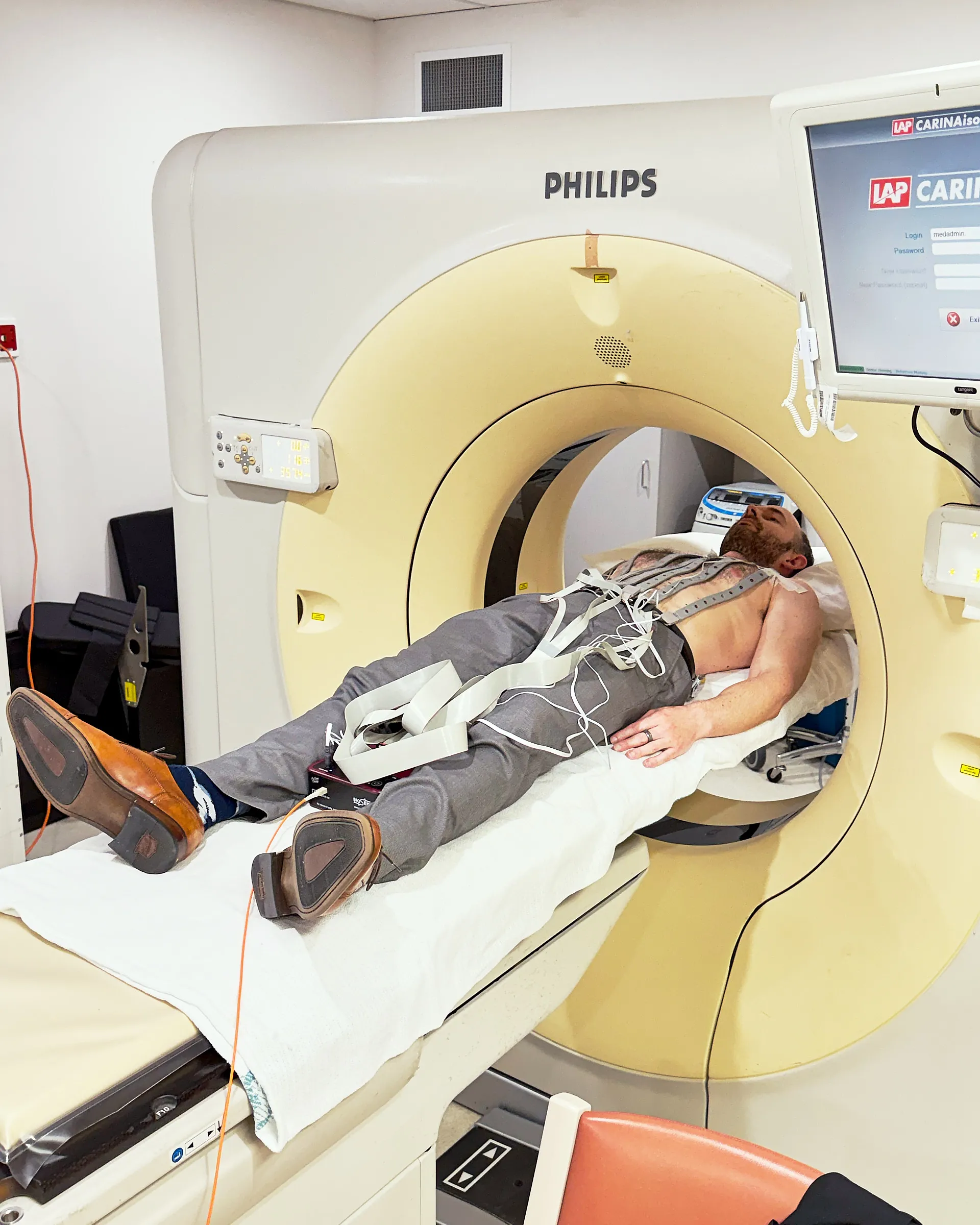
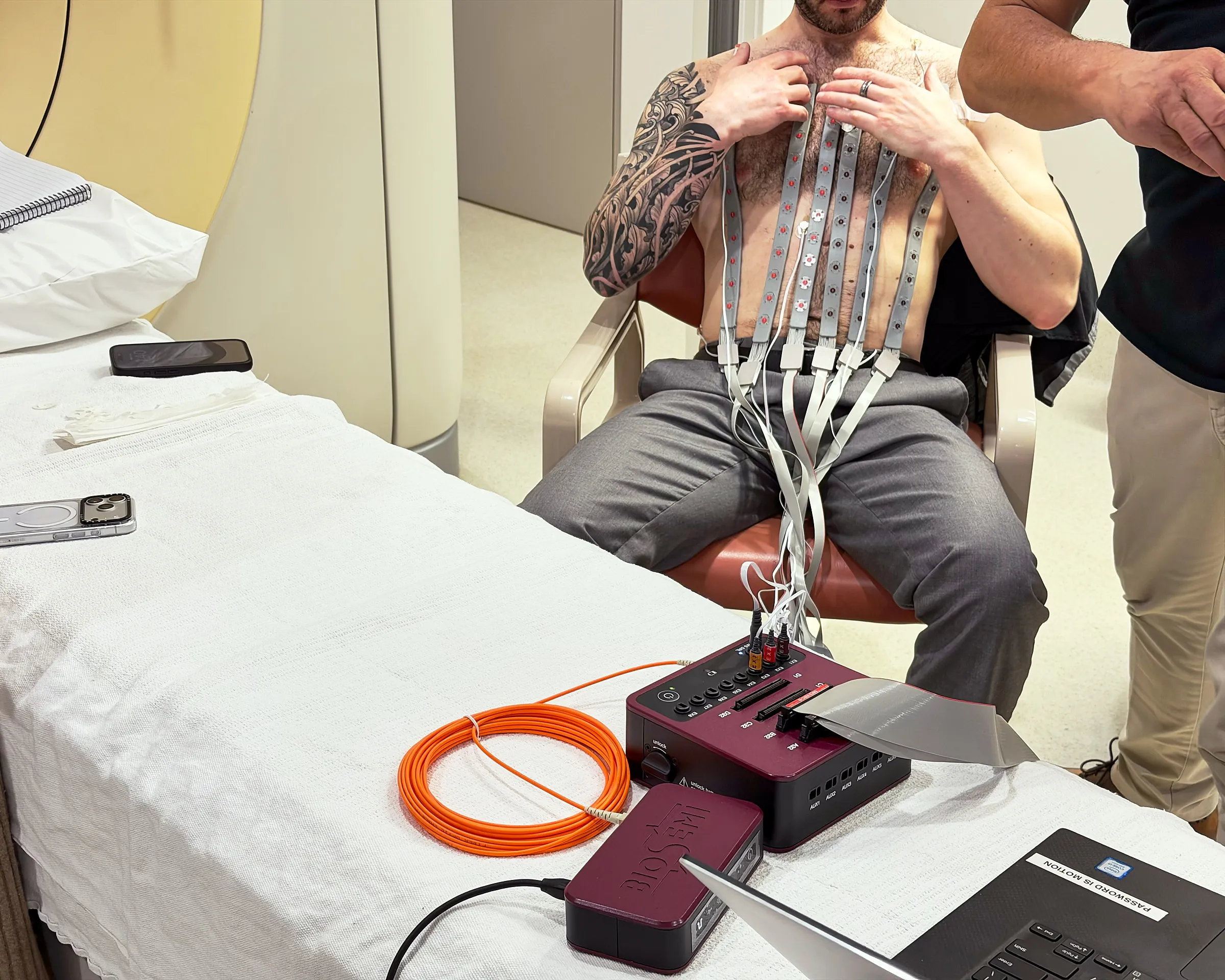
The system uses specialised BioSemi BSPM electrode panels designed for high-density cardiac recording. Carbon conductors and wiring provide low X-ray visibility, helping minimise interference with CT-based anatomical imaging.
Sintered Ag/AgCl (silver/silver-chloride) contact elements maintain the stable electrode–skin interface required for high-fidelity biopotential recording. During initial CT testing, these elements appeared only as small, discrete points in the image, while the carbon wiring produced no visible imaging artefact.
This combination allows researchers to acquire detailed cardiac electrical signals while retaining the anatomical CT information required for cardiac mapping and radiotherapy research.
4. Very Low ECG Waveform Distortion
For EEG acquisition, system noise and timing precision are often dominant technical considerations. In ECG and BSPM, preserving waveform morphology is equally important because target-localisation methods may depend on subtle spatial and temporal differences between cardiac signals.
Comparing ECG recordings between systems is not a reliable distortion test because the human heart is not a calibrated waveform generator. BioSemi therefore evaluated ActiveThree using a controlled intermodulation-distortion measurement.
Two low-distortion sine waves at 2,990 Hz and 3,010 Hz, each with an amplitude of 17 mV RMS, were combined and supplied to the ActiveThree input. The principal intermodulation product occurred at the 20 Hz difference frequency and measured 0.9 µV RMS. This corresponds to an intermodulation-distortion figure of approximately 0.005%, or −86 dB—below the published ActiveThree specification of 0.01%.
The result provides a controlled indication that ActiveThree preserves input waveform morphology with very low nonlinear distortion, supporting high-fidelity ECG and BSPM acquisition.
Together, these capabilities provide a flexible research platform for acquiring the high-density body-surface signals required for cardiac mapping and computational target-definition studies.
Accurately identifying an arrhythmia target is one part of the STAR challenge. The heart also moves continuously because of cardiac contraction and respiration, making precise radiation delivery technically demanding.
Dr Sengupta recently co-authored the open-access study “Cardiac device motion tracking from kilovoltage projections during stereotactic arrhythmia radioablation”. The research investigated a method for estimating three-dimensional cardiac and respiratory motion using implantable cardioverter-defibrillator lead tips visible in radiotherapy imaging.
While this study examined motion tracking rather than BSPM, it demonstrates the complementary challenges involved in STAR: determining where the electrical target is located and understanding how cardiac and respiratory motion may affect that target.
The successful installation establishes a dedicated platform for high-density BSPM research at the University of Sydney. It will allow the Image X Institute to investigate how non-invasive electrical mapping can contribute to arrhythmia target definition alongside anatomical imaging and other electrophysiological information.
As the first ActiveThree BSPM configuration installed worldwide and the first BSPM research system of its kind in Australia, the project represents an important milestone for the University of Sydney, BioSemi and NEUROSPEC.
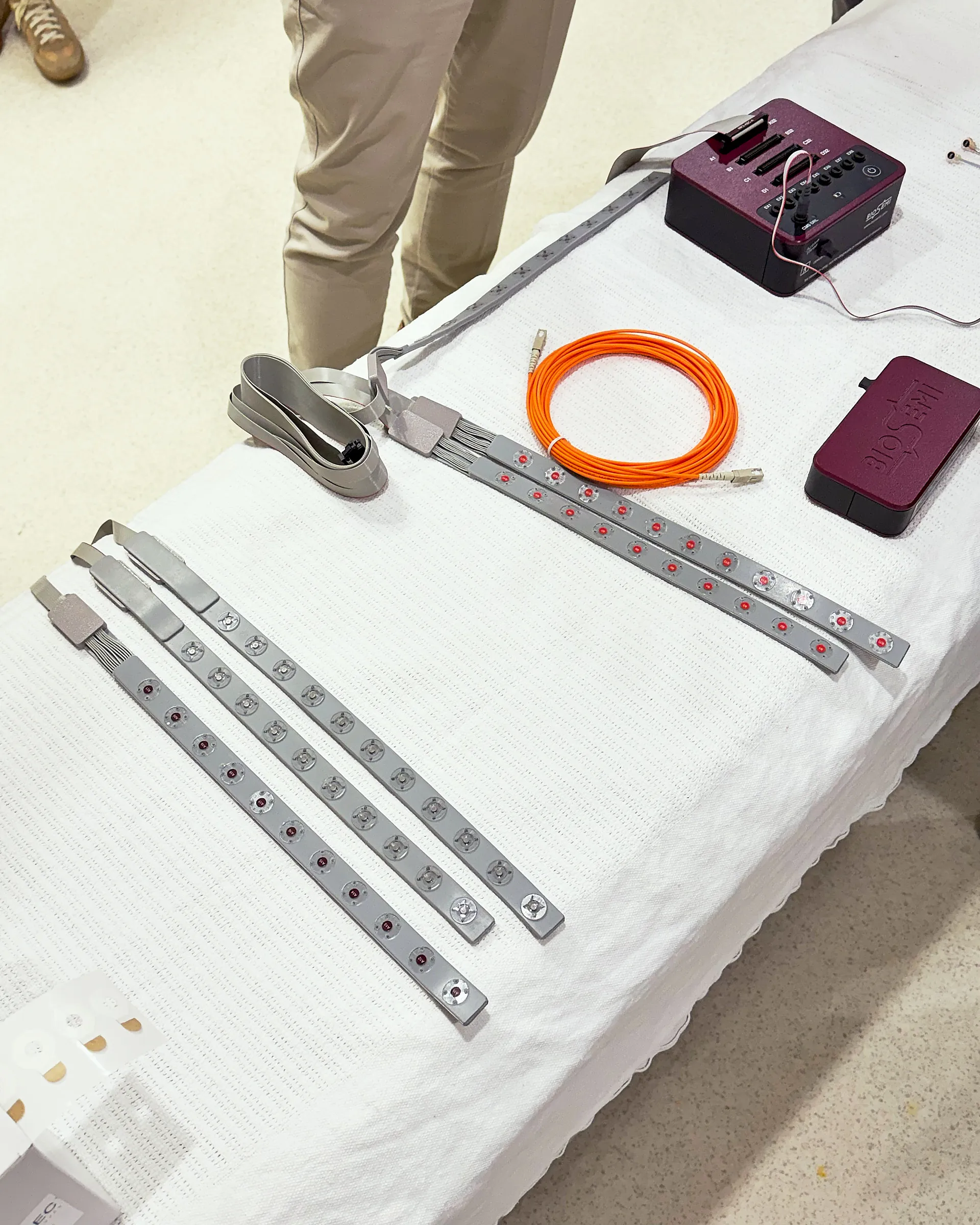
NEUROSPEC worked closely with the University of Sydney to supply and install a first-of-its-kind ActiveThree configuration tailored to body surface potential mapping.
The project demonstrates how the flexible ActiveThree biopotential acquisition platform can be adapted to an advanced cardiac electrophysiology application. It also reflects NEUROSPEC’s commitment to supporting researchers with specialised system selection, configuration and implementation for demanding multidisciplinary studies.
Through this collaboration, the Image X Institute has gained a new research capability at the intersection of cardiac electrical mapping, medical imaging and precision radiation therapy.
This installation also prompted our own team to begin work on CardioBDF Studio, a dedicated software platform for viewing, referencing and analysing BioSemi BDF recordings. What started as preparation for this project is now developing into a broader NEUROSPEC software offering.
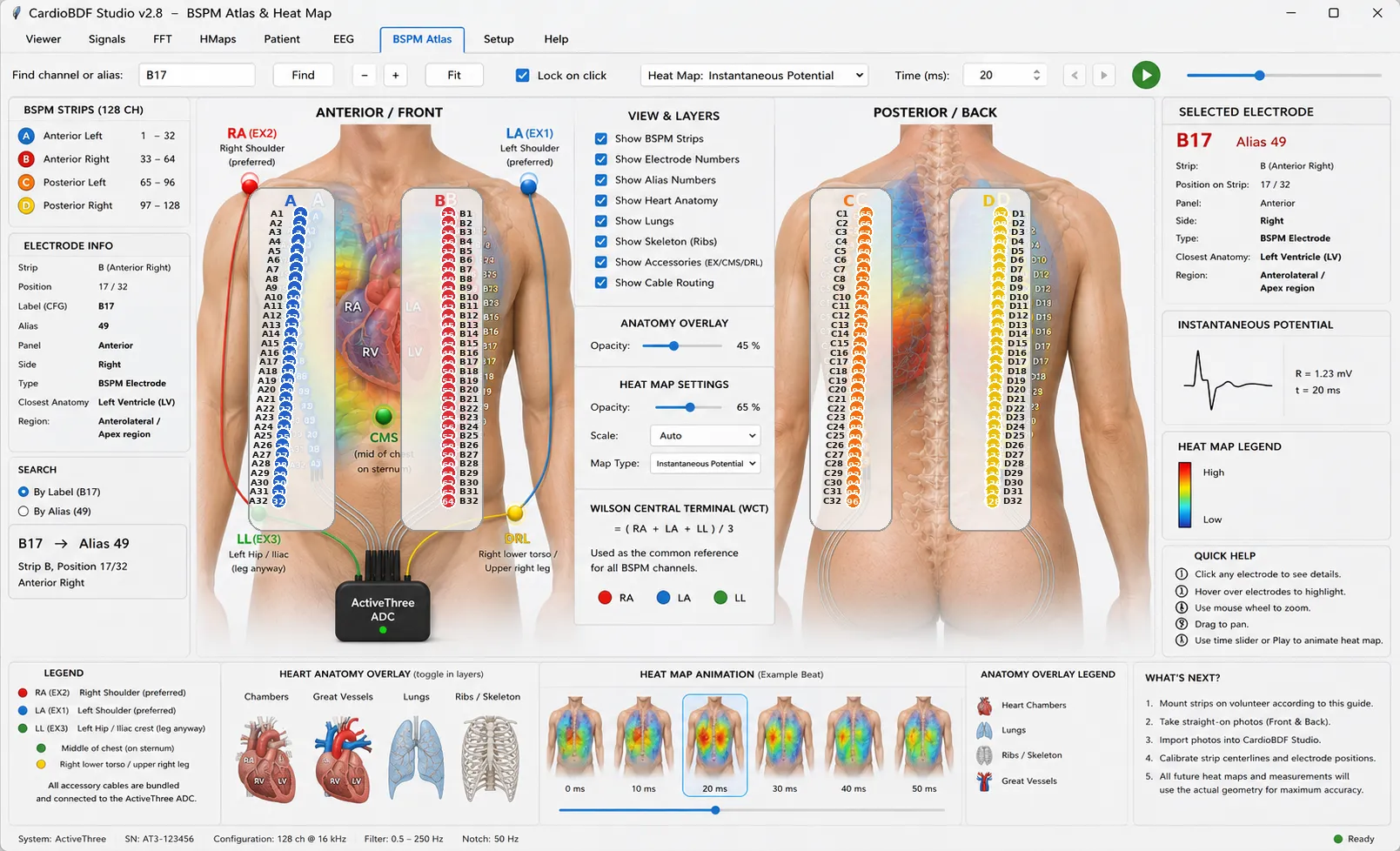
CardioBDF Studio provides dedicated tools for ECG, heart-rate variability, beat averaging, template matching, signal-quality review, referenced BDF export and structured analysis reports. Display optimisation, filters, references and ECG calibration are non-destructive viewing and analysis operations unless the user explicitly creates a referenced export, so the original recording remains unchanged.
The upcoming CardioBDF Studio version introduces revised low-frequency display filtering, including a true DC/high-pass bypass and an optimised high-pass mode for BSPM viewing. More details will follow as development continues. CardioBDF Studio is intended for research use only and is not for clinical diagnosis, treatment decisions or patient management.
Xiong, W. et al., 2026. Cardiac device motion tracking from kilovoltage projections during stereotactic arrhythmia radioablation. Physics and Imaging in Radiation Oncology, 37, 100922.
Cuculich, P.S. et al., 2017. Noninvasive cardiac radiation for ablation of ventricular tachycardia. New England Journal of Medicine, 377, pp.2325–2336.
Robinson, C.G. et al., 2019. Phase I/II trial of electrophysiology-guided noninvasive cardiac radioablation for ventricular tachycardia. Circulation, 139(3), pp.313–321.
Bergquist, J. et al., 2021. Body surface potential mapping: Contemporary applications and future perspectives. Hearts, 2(4), pp.514–542.
Zeppenfeld, K. et al., 2025. Patient selection, ventricular tachycardia substrate delineation, and data transfer for stereotactic arrhythmia radioablation. Europace, 27(4), euae214.
BioSemi, 2026. ActiveThree technical specifications.
BioSemi. Active BSPM carbon electrode panels.
The BioSemi ActiveThree is intended for research applications only and is not designed or intended for clinical diagnosis or treatment.